

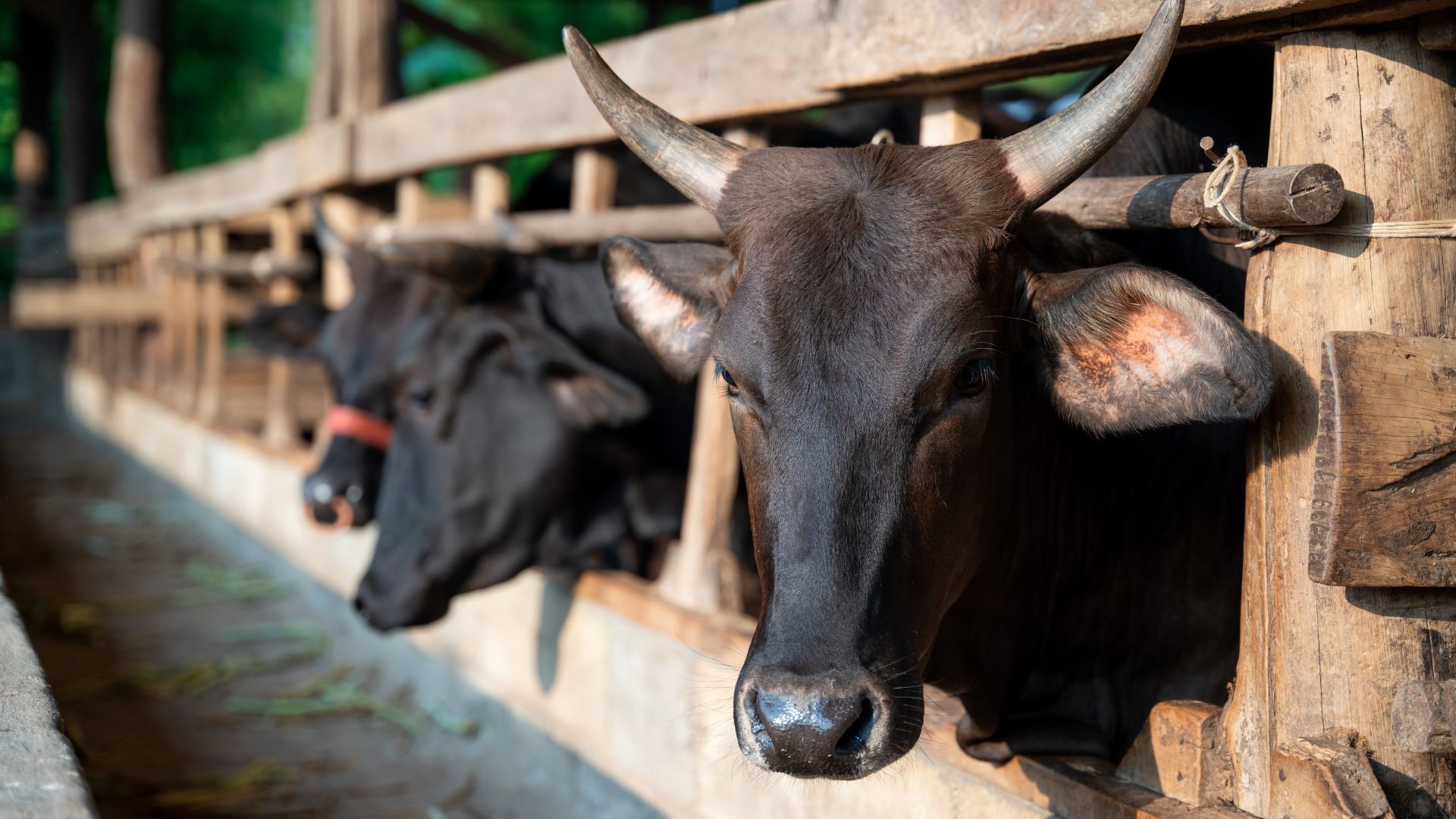
Wagyu beef, renowned for its superior taste, texture, and health benefits, has gained worldwide popularity. For many, the allure lies in its unique marbling, which gives the meat its signature melt-in-your-mouth tenderness.
Moreover, the Kuroge Washu breed in Texas, has carved out a special niche within the Wagyu world. This breed's exceptional marbling delivers an unparalleled depth of flavor, setting it apart from its counterparts. Its intense richness is balanced by a sweet, complex profile that leaves a lasting impression on the palate.
Before we dive deeper into the specifics of the Kuroge Washu breed, it's important to understand what Wagyu is and its origins.
What is Wagyu Beef?
Wagyu, a term originating from Japan, translates to “Wa” meaning Japanese, and “Gyu,” meaning cow. It is not merely a type of beef but represents a diverse range of Japanese cattle breeds, each contributing to the rich tapestry of flavors and textures that Wagyu is celebrated for.
The predominant breed is the Kuroge Washu, which is 90% of Wagyu and is renowned for its exquisite marbling. The remaining species, Kochi and Kumamoto, known as Akaushi, are equally valued, each offering distinct characteristics and flavor profiles.
These breeds are meticulously cultivated and cared for, following centuries-old rearing techniques that have been passed down through generations. During their lifetime, Wagyu cattle are fed a nutrient-rich diet and often live stress-free lives, often involving gentle massages and soothing environments to promote healthy marbling and growth.
Moreover, the Japanese government heavily regulates the Wagyu industry to ensure the highest standards of quality and authenticity. Each Wagyu cattle is given a ten-digit identification number, tracing its lineage back several generations.
History of Wagyu
The origins of Wagyu can be traced back to the 2nd century AD when agricultural practices in Japan started evolving with the introduction of rice cultivation. The cattle were initially used for rice cultivation rather than meat production, which inadvertently led to the development of their distinct marbling traits.
In the late 19th century, Japan began importing breeds like Brown Swiss, Devon, Shorthorn, Simmental, Ayrshire, and Korean Hanwoo with an intent to improve the draught characteristics of native Japanese breeds. These herds were subsequently crossbred with native Japanese cattle, which led to the emergence of the Wagyu we know today.
It was only in 1991 that the term "Wagyu" was defined and registered. Since then, the term has been protected, and only cattle that meet strict criteria can be classified as such.
Understanding the A5 or Japanese Scale
The A5 grade represents the pinnacle of perfection within the Japanese Wagyu grading system. This esteemed classification is not merely a label; it's an affirmation of the beef's superior quality, reflecting its extraordinary marbling, unparalleled tenderness, and profound depth of flavor.
Marbling, the intricate web of fat interspersed within the meat, is a key determinant of the A5 grade. This marbling is not just fat; it's a mosaic of flavor, melting at low temperatures, which gives Wagyu its signature melt-in-the-mouth texture. The tenderness of A5 Wagyu is such that it can often be cut with just a fork, a testament to its delicate fibers and succulent nature.
But it's not just about marbling and tenderness. The flavor profile of A5 Wagyu is complex and multifaceted. It offers a symphony of tastes, from rich umami to subtle sweet undertones, making every bite a culinary revelation.
Achieving an A5 rating requires more than just exceptional genetics; it demands dedication, precision, and an unwavering commitment to excellence at every stage of the rearing and production process. Cattle must be raised under specific conditions, fed a specialized diet, and cared for with the utmost attention to detail.
When you come across beef with an A5 grade, know that it's the result of meticulous craftsmanship, stringent evaluations, and a tradition of excellence. It's not just beef; it's a gastronomic masterpiece, promising an eating experience that is truly second to none.
Wagyu's American Odyssey
Wagyu was first exported to the U.S. in 1975 as four bulls to Ranchers in Georgetown, TX and the first full-blood or 100% Wagyu was born in the country in 1994. Its popularity skyrocketed due to its decadent marbling and unparalleled taste, quickly becoming a coveted item in luxury dining.
The premier beef is meticulously managed by the American Wagyu Association, ensuring adherence to stringent standards and preserving the integrity of the breed. However, Fullblood Wagyu or DNA-verified 100% Wagyu remains a rarity, with approximately 25,000 among the 96 million cattle in the country.
Decoding Wagyu Classifications
Wagyu beef has its own unique classification system, which serves to distinguish its quality and authenticity. The system is based on a myriad of factors, including the breed of cattle, feeding practices, and the quality of marbling.
A5 - The Japanese Marvel
A5 Wagyu, exclusively raised in Japan, is the result of generations of precise breeding. These cattle are nurtured for over 30 months, each day contributing to the beef's exceptional quality, ensuring that every cut is nothing short of a culinary masterpiece.
Percentage Wagyu - The Fusion or Crossed Breed
Percentage Wagyu represents a harmonious blend of Wagyu genetics with other robust cattle breeds such as Angus. The classifications range from F1, which is 50% Wagyu, to F4 or "Pure-Bred," which boasts 93% Wagyu genetics. These cattle are typically reared for 18-20 months, striking a balance between traditional Wagyu characteristics and the robustness of other breeds.
Fullblood Wagyu - The Purest of All
Fullblood Wagyu, on the other hand, stands as the pinnacle of purity, being 100% traceable to Japanese herds with no evidence of crossbreeding. These cattle exemplify the epitome of the Wagyu breed, meticulously reared for 30 months under strict regulations. Their meat boasts the highest degree of marbling and is famous for its signature buttery texture and deep, rich flavor.
Spotlight on Kuroge Washu
Kuroge Washu, or Japanese Black Cows, are the heart and soul of the Wagyu legacy. These cattle are direct descendants of ancient Japanese breeds, inheriting a genetic goldmine that contributes to their exceptional beef quality.
The significance of Kuroge Washu extends beyond its taste. It's a living testament to Japan's rich history and dedication to preserving tradition. Every Kuroge Washu carries with it centuries of breeding expertise, ensuring that the legacy of these ancient Japanese breeds continues to thrive and enchant beef enthusiasts worldwide.
Raising the Texan Way
Texas, with its vast landscapes and rich ranching heritage, offers an ideal environment for Kuroge Washu. Texas-bred Kuroge Washu are raised for an extensive 30-34 months, a testament to the commitment of Texan ranchers. This extended period, combined with Texas's unique ranching environment , ensures that the beef retains its authentic characteristics while imbibing a touch of Texan spirit.
Summing Up Wagyu’s Unique Magnificence
Wagyu beef stands as a testament to the art of meticulous breeding and nurturing. Its high cost is a reflection of the time, care, and technique embedded in its breeding process. The rich, umami, buttery taste and unique marbling contribute significantly to its premium status, offering a culinary experience like no other.